History in Fashion: Women’s Clothing Sizes

In the world of women’s clothing, a 4 is a 2. Everything is relative — unless, of course, you’re shopping in SoHo, where some stores are deemed having only size — small.

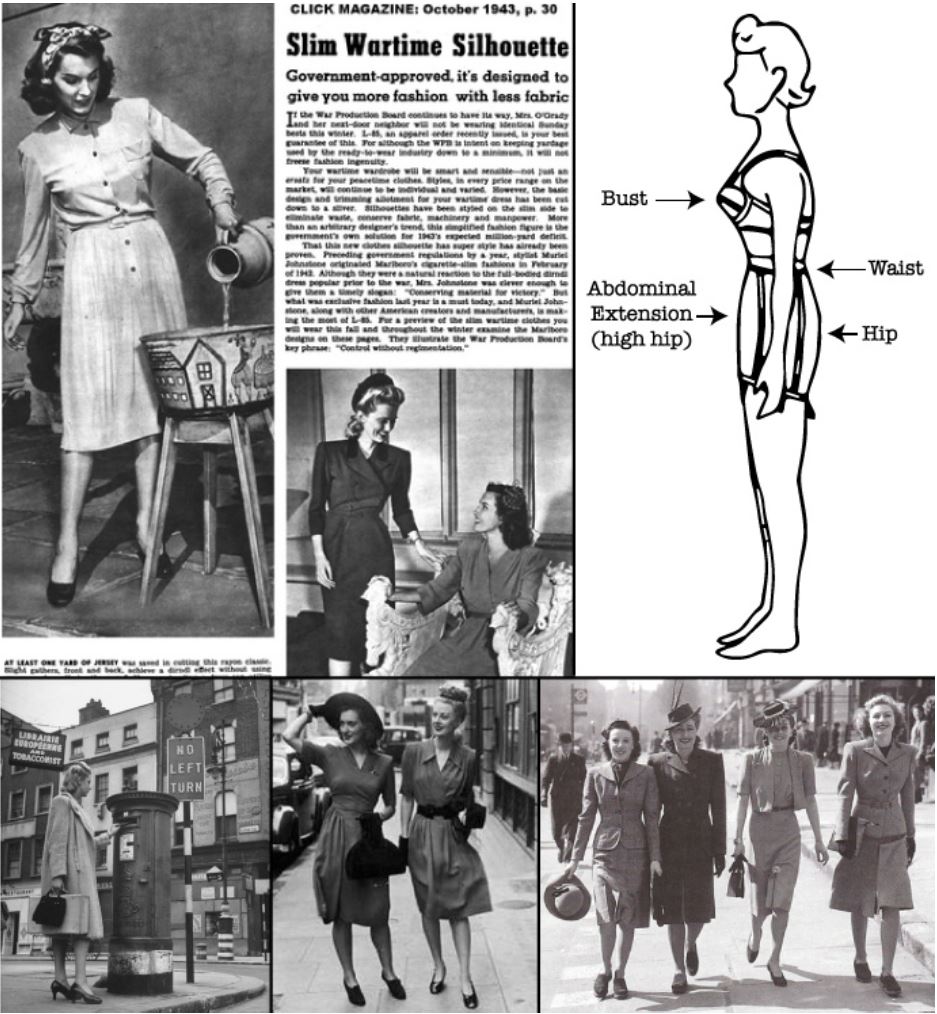
One of the most frustrating American pastimes occurs within the confines of a dressing room. But where do these seemingly random sizes come from? Sit down, unbutton your pants and enjoy a quick history of the women’s clothing measurement system. True sizing standards didn’t develop until the 1940’s. Before then sizes for young ladies and children were all based on age — so a size 16 would be for a 16-year-old — and for women it was all about bust measurement.

To purchase clothing, people did not always walk into a store, grab their size off the rack and try it on. Prior to the American Civil War and the industrial revolution, the vast majority of clothes were made at home, either by a tailor or by themselves. Numerous measurements were taken and the clothes were made specifically to fit the individual who would wear them—  hence the term, “ready-to-wear.” The technological innovations of the industrial revolution, along with the supply of uniforms demanded by the Civil War, led to changes in the way clothing was produced. These changes eventually led to the system of standard sizes we know today.

Due to a flawed system in a measurement study in the 1930s, a new study on women’s sizes was conducted in the late 1940s. The goal was to to reanalyze the sizing — often using the measurements of women who had served in the air force, some of the most fit people in the country — creating a 1958 standard that was random to say the least. Sizes ranged from 8 to 38 with height indications of tall (T), regular (R), and short (S), and a plus or minus sign when referring to girth.

There was no size zero, like we see today in stores.

As American’s waists increased, so did our egos. And thus began the practice of vanity sizing. Over the decades, government size guidelines were given careful attention to less and less, items of clothing began getting marked with lower numbers and eventually, in 1983, the Department of Commerce withdrew its commercial women’s clothing size standard altogether.

We went from size 16 being a model in the ’40s to 12 in the ’60s. Marilyn Monroe was a 12 in the ’60s, which would now be a size 6.

Now, stores often size based on their own preferences, which can make for frustrating online shopping experiences — unless you already know your exact size.

But are we doomed to a future of sizing confusion? Maybe not. With advancement in new technologies- which might be welcoming a new era of customized clothing. Body measurements are so advanced now— with 3-D scanning aka 3D printing and digital changing rooms — We may be able to find better options for better fitting clothing.

More Fashion Fabula

5 Gowns worn by Queen Elizabeth

In celebration of her 90th birthday, the Royal Collection Trust will be showcasing three exhibitions, showing over 150 of her most memorable looks, including ceremonial

How These Items Got Their Name

Do designers just pick names they like out of thin air? Do they obsess over their decisions as if naming a child? Where—to put it

The Latest Brow Products

They say eyes are the windows to your soul, but really, it’s your brows that do all the talking. When you discover your lipstick didn’t

The History of Female Hats

Would you say hats are an accessory or a necessity? Looking back in time it becomes apparent that they have been both. Let’s take a

The At Home Classic Manicure

Skip the time-consuming and costly trips to the salon and perfectly polish your nails at home. With the right equipment, your favorite polish color and

8 Rules For Party Season

Dust off your finery— It’s party season once again. From turning up under dressed to getting too dressed up, we know it’s not always easy

What to Wear on a Second Interview

This outfit is even more important than your first interview outfit. Of course it’s your personality and skills that really matter, but your appearance is

Sunglass Obsession: The Right Fit

Quick, name one item you never leave home without. If you said sunglasses, you’re on the ball. Sunglasses, just as much as your hairstyle, purse

Behind the Brand: A.P.C.

Known for it’s minimalist designs and timeless aesthetic, founded by Mr Jean Touitou in 1987, A.P.C. (which stands for Atelier de Production et de Création)

History in Fashion: The Tracksuit

So much of the modern woman’s wardrobe finds its origins in the world of sport, and the tracksuit – unsurprisingly, given the name – is

The Best Jackets For Spring

Allow us to introduce you into the world of “transitional dressing”. This is your definitive guide on deciding how to dress when the weather is

5 Beauty Looks to Try

It’s that time of year where we’re faithful to our favorite shade of burgundy lipstick and get to play up our other features with high-impact

How to Fill in Your Brows

Instead of using makeup to turn us into someone we’re not, we’re always looking for new ways to amp up our natural features. Sometimes, it’s

On Trend: Spring Bags

The best handbags of the season are in the ring and it’s time to decide which side you’re on – And these bags are anything

ACNE Studios Weekend Look

Counter clockwise from left to right Acne Studios Jeans, Superga Sneakers, rag & bone Fedora, Acne Studios Jean Jacket, Acne Studios Aviators

Chic Items for a Creative Office

Working in a creative environment offers a chance to unleash the full force of your fashion wardrobe – but how do you get the balance

5 Summer Tops You Can Wear to Work

Dress codes for work are already challenging enough and with rising temperatures it may seem almost impossible to dress appropriate. While in the colder months,

Fashion Brands

Feedback/Suggest Brands

Again, welcome to Your Brandzaffair. Our goal is to be your daily source for immediate access to all your favorite brandz with their best offers, in addition to providing insights and reviews in your lifestyle interests. We want to always continue to improve your experience. Please tell us what you think and what we can do better.

Spread the Word